Naadam Festival
Introduction
The Naadam Festival, an annual celebration deeply rooted in Mongolian culture, is renowned for its vibrant display of traditional sports and cultural activities. Originating from the Mongolian term for "entertainment and games", Naadam encapsulates the essence of Mongolian heritage through its signature "Three Games of Men": wrestling, horse racing, and archery. In China, Naadam is celebrated predominantly by people of the Mongolian ethnic group. The festival takes place in mid-summer and occasionally during winter in various pastoral regions, notably Inner Mongolia autonomous region. Each year, thousands of participants and spectators gather on the vast grasslands, transforming the event into a grand spectacle of skill, strength, and cultural pride. The Naadam Festival not only commemorates Mongolia's martial history but also serves as a vibrant gathering that celebrates the nation’s rich traditions and communal spirit.
History
Tracing its origins back to the 12th century, the Naadam Festival began as a series of martial trials designed to maintain the combat readiness of Mongolian warriors. These trials were essential for preparing warriors for the rigors of battle, ensuring their prowess in wrestling, archery, and horse racing. Over the centuries, Naadam evolved from a purely military exercise into a broader cultural celebration. It became a platform for entertainment and communal gathering, commemorating significant historical events and milestones. The festival has been continuously celebrated for centuries, adapting to the changing cultural landscapes while retaining its traditional core. In recognition of its cultural significance, Naadam was included in the first batch of the national intangible cultural heritage list in 2006, highlighting its enduring importance in Mongolian ethnic society.
Cultural Significance
The Naadam Festival holds profound cultural significance, symbolizing the strength, resilience, and unity of the Mongolian ethnic people. As a reflection of Mongolian identity, the festival showcases traditional sports that are integral to the group's heritage. Wrestling, horse racing, and archery are not merely competitions; they are expressions of cultural continuity and pride, connecting present-day participants to their ancestral roots. The festival also serves as a cultural bridge, fostering a sense of community and promoting cultural understanding among international visitors. Through its rich tapestry of events, Naadam reinforces traditional values, such as respect for nature, camaraderie, and the warrior spirit, which are central to Mongolian ethos.
Events and Competitions
The heart of the Naadam Festival lies in its thrilling array of events and competitions, which encapsulate the spirit of traditional Mongolian sportsmanship.
Wrestling
Wrestling, a central feature of Naadam, is a display of strength, agility, and strategy. Participants don colorful traditional attire and engage in matches where the objective is to force the opponent’s elbow or knee to the ground. The competition fosters a sense of camaraderie and sportsmanship, while also showcasing the prowess and physical conditioning of the wrestlers. Youth competitions are a highlight, nurturing the next generation of champions and instilling in them a deep respect for tradition.
Archery
Archery, another cornerstone of Naadam, reflects the precision and skill of Mongolian herdsmen. Competitors, ranging from children to seasoned adults, exhibit remarkable focus and dexterity as they aim for distant targets. The event is a testament to the historical significance of archery in Mongolian ethnic culture, once a vital skill for survival and defense. Spectators are often captivated by the serene concentration of archers and the elegance of their technique.
Horse Racing
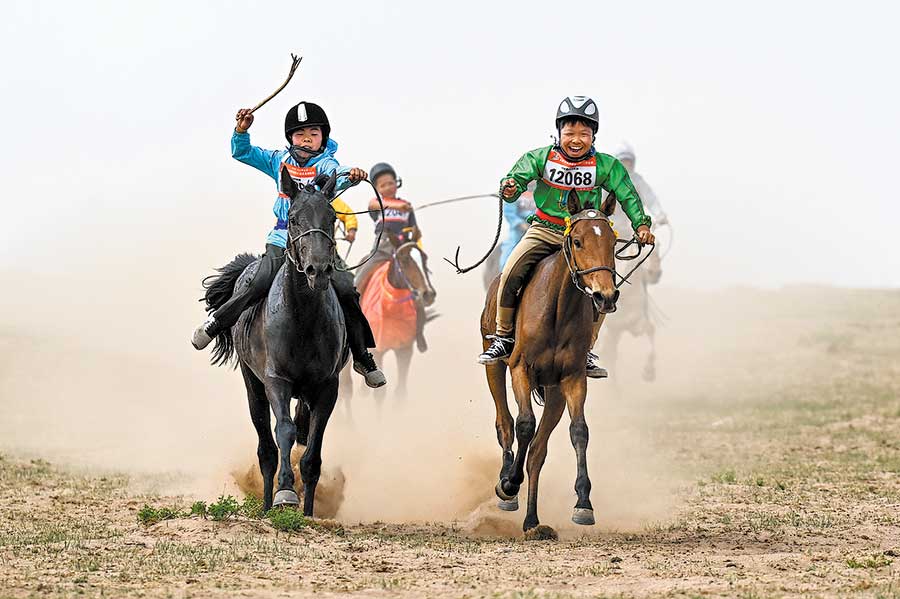
Horse racing during Naadam is an exhilarating spectacle that draws large crowds. Unlike conventional racing, the focus is on the endurance and speed of young jockeys and their horses as they gallop across vast steppes. The races cover distances up to 30 kilometers, and the riders, often children, demonstrate remarkable skill and bravery. The event highlights the deep bond between Mongolians and their horses, a relationship integral to their way of life.
Modern Celebrations
In modern times, the Naadam Festival has expanded to include a variety of new activities that complement the traditional competitions. Contemporary celebrations often feature additional events such as beauty contests for livestock, including sheep, horses, and cows, showcasing the agricultural richness of the region. The festival has also embraced a broader cultural program, incorporating performances, bonfire parties, and culinary festivals that celebrate Mongolian cuisine. Modern Naadam is a dynamic blend of tradition and innovation, attracting visitors from around the world who come to experience the vibrant culture firsthand. These celebrations serve to both preserve cultural heritage and introduce innovative expressions of Mongolian ethnic identity, ensuring the festival remains relevant and engaging for future generations.








